

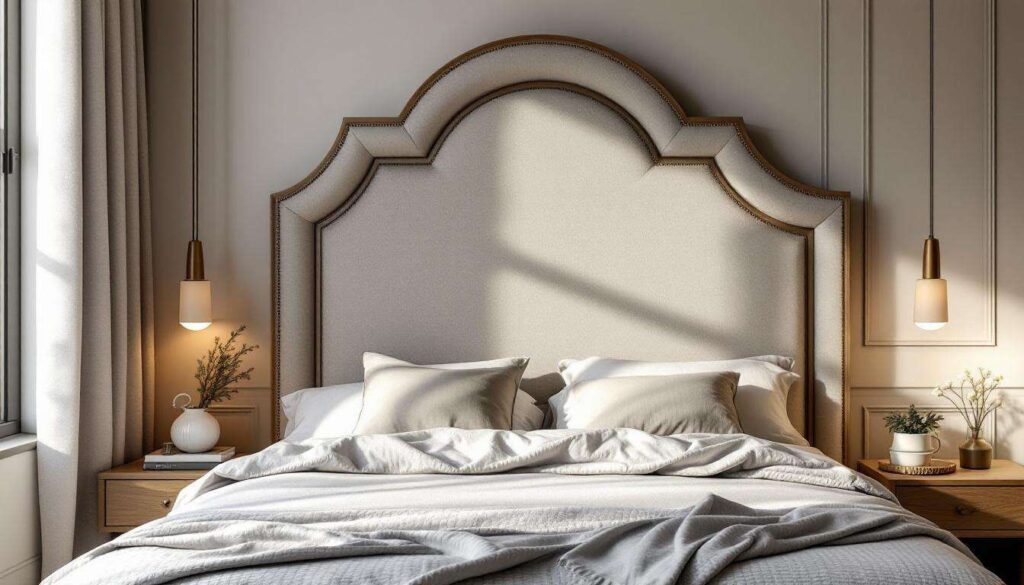
Bedrooms have long served as personal sanctuaries, spaces where comfort meets aesthetic expression. The latest movement in interior design brings a fresh perspective to one of the room’s most prominent features: the headboard. This emerging trend emphasises warmth, natural textures, and visual harmony, transforming sleeping quarters into balanced retreats that reflect both contemporary sensibilities and timeless appeal. As homeowners increasingly seek to create environments that promote wellbeing and relaxation, the headboard has evolved from a purely functional element into a central design statement that sets the tone for the entire room.
Understanding the Headboard Trend in 2026
The current headboard movement represents a significant departure from the minimalist, stark designs that dominated recent years. Today’s approach prioritises tactile richness and visual warmth, creating focal points that anchor bedroom spaces whilst maintaining a sense of serenity and balance.
Key Characteristics of Contemporary Headboards
The defining features of this trend reveal a sophisticated understanding of how design elements influence mood and atmosphere. These headboards typically showcase organic forms, textured surfaces, and materials that bring the outside world indoors. The emphasis lies on creating pieces that feel both substantial and inviting, avoiding the cold, impersonal aesthetic that can make bedrooms feel more like showrooms than living spaces.
- Curved silhouettes that soften angular room layouts
- Layered textures combining multiple materials
- Substantial proportions that create visual impact
- Neutral palettes with warm undertones
- Handcrafted details that add character
The Psychology Behind Warm Design Elements
Research into environmental psychology demonstrates that warm, natural elements in sleeping spaces contribute to improved rest quality and overall wellbeing. Headboards incorporating these principles serve as more than decorative features; they actively shape how occupants experience their bedrooms. The tactile qualities of materials like woven fibres, natural wood, and soft upholstery trigger sensory responses that promote relaxation and comfort.
This understanding of design’s psychological impact naturally extends to the materials chosen for these statement pieces.
Natural Materials and Sustainability: the Choice of 2026
Environmental consciousness has fundamentally reshaped consumer preferences, with sustainable materials becoming non-negotiable for discerning homeowners. The headboard trend reflects this shift through thoughtful material selection that prioritises both ecological responsibility and aesthetic appeal.
Popular Sustainable Materials
| Material | Benefits | Visual Impact |
|---|---|---|
| Rattan | Renewable, lightweight, durable | Textured, organic warmth |
| Reclaimed Wood | Reduces waste, unique character | Rich grain patterns, history |
| Bamboo | Fast-growing, strong, versatile | Clean lines, natural tones |
| Organic Cotton | Chemical-free, soft, breathable | Soft texture, neutral palette |
| Cork | Renewable, antimicrobial, insulating | Unique texture, warm appearance |
The Craftsmanship Revival
Alongside sustainable sourcing, there’s renewed appreciation for artisanal production methods. Hand-woven headboards, carved wooden designs, and upholstered pieces featuring traditional techniques offer authenticity that mass-produced alternatives cannot replicate. This craftsmanship adds layers of meaning to bedroom furniture, transforming functional items into conversation pieces with genuine provenance.
The materials selected for headboards work in concert with colour choices to establish the room’s overall mood.
How Colours Influence the Bedroom Ambience
Colour psychology plays a crucial role in bedroom design, with headboard hues significantly affecting the space’s emotional temperature. The current trend favours warm, grounding tones that create cocoon-like environments conducive to rest and rejuvenation.
The Warm Neutral Palette
Rather than cool greys and stark whites, contemporary headboards embrace warmer neutrals that add depth without overwhelming. These shades create visual balance whilst maintaining versatility for changing décor preferences.
- Terracotta and clay tones that evoke earthiness
- Honey and caramel shades in natural wood
- Warm beiges and taupes in upholstered designs
- Soft ochres and mustards as accent colours
- Cream and ivory with golden undertones
Strategic Colour Application
Beyond single-tone approaches, layered colour applications create visual interest. Headboards might feature ombré effects in natural fibres, contrasting piping on upholstered pieces, or wood stains that highlight grain variations. These subtle colour plays add sophistication without disrupting the calming atmosphere essential to bedroom spaces.
These thoughtful colour choices complement the growing desire for personalised bedroom environments.
Personalisation and Design: creating a Unique Space
Mass production no longer satisfies consumers seeking spaces that reflect individual identity. The headboard trend embraces customisation and personal expression, offering countless opportunities to create truly unique bedroom centrepieces.
Customisation Options
Modern manufacturers and artisans provide extensive personalisation possibilities, allowing homeowners to specify dimensions, materials, finishes, and decorative details. This bespoke approach ensures headboards integrate seamlessly with existing architecture and personal aesthetic preferences.
- Custom dimensions to fit non-standard bed sizes
- Mixed material combinations for textural contrast
- Integrated storage solutions and functional elements
- Personalised upholstery patterns and textures
- Carved or engraved details with personal significance
DIY and Upcycling Movements
For those with creative inclinations, do-it-yourself headboard projects offer maximum personalisation. Upcycled doors, salvaged architectural elements, and repurposed materials become one-of-a-kind designs that tell personal stories. This hands-on approach aligns perfectly with sustainability values whilst delivering absolute uniqueness.
Even as personalisation remains paramount, technological advances are reshaping how headboards are conceived and produced.
The Role of Technology in Modern Headboard Manufacturing
Innovation in production technology has expanded creative possibilities whilst improving sustainability and accessibility. Digital fabrication methods coexist with traditional craftsmanship, offering new avenues for realising complex designs.
Advanced Manufacturing Techniques
Computer-aided design and precision cutting technologies enable intricate patterns and perfect fits that would be extremely time-consuming through manual methods alone. These tools democratise custom design, making bespoke headboards more accessible to broader audiences.
| Technology | Application | Advantage |
|---|---|---|
| CNC Routing | Precise wood carving | Complex patterns, repeatability |
| 3D Modelling | Design visualisation | Preview before production |
| Laser Cutting | Detailed metalwork | Intricate designs, clean edges |
| Digital Printing | Fabric customisation | Unlimited pattern options |
Sustainable Production Innovations
Technology also advances sustainability goals through waste reduction and material optimisation. Software calculates the most efficient material usage, whilst precision equipment minimises errors that lead to discarded materials. Some manufacturers employ technologies that transform production waste into secondary products, creating circular systems that eliminate unnecessary environmental impact.
These technological capabilities must ultimately serve the broader design vision for cohesive bedroom spaces.
Integrating the Headboard Style with Overall Decoration
A stunning headboard achieves its full potential only when thoughtfully integrated with surrounding décor. Visual harmony requires considering how this prominent feature relates to walls, bedding, lighting, and other furnishings.
Creating Cohesive Design Schemes
Successful integration begins with understanding the headboard as part of a larger composition rather than an isolated element. The materials, colours, and textures should echo throughout the space, creating visual connections that guide the eye and establish rhythm.
- Repeating headboard materials in accessories or furniture
- Coordinating bedding colours with headboard tones
- Selecting lighting that complements headboard style
- Balancing headboard prominence with wall treatments
- Ensuring scale relationships between furniture pieces
Avoiding Common Integration Mistakes
Even beautiful headboards can fail within poorly planned spaces. Overcrowding the headboard wall with excessive artwork or competing focal points dilutes its impact. Similarly, clashing style periods or mismatched material qualities create visual discord that undermines the calm atmosphere bedrooms require. The key lies in restraint: allowing the headboard sufficient visual breathing room whilst supporting it with complementary elements that enhance rather than compete.
The headboard trend reshaping bedrooms represents more than aesthetic preference; it reflects deeper values around sustainability, personalisation, and the creation of nurturing environments. By embracing natural materials, warm colour palettes, and thoughtful integration with overall décor, these design elements transform sleeping spaces into balanced sanctuaries. Whether through artisanal craftsmanship, technological innovation, or personal creativity, the contemporary headboard serves as both functional furniture and meaningful expression of individual style. As this movement continues evolving, it promises to keep bedrooms feeling welcoming, harmonious, and deeply personal.