



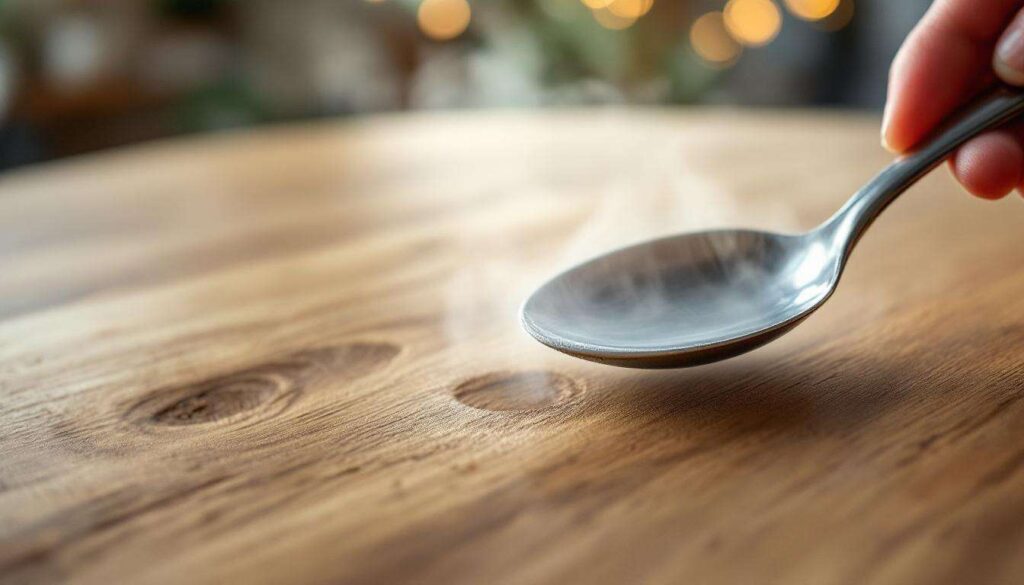
Wooden furniture brings warmth and character to any home, but even the most cherished pieces can suffer from unsightly dents and dings over time. Whether caused by a dropped object, a child’s toy, or simply everyday wear, these blemishes can detract from the beauty of otherwise pristine surfaces. Fortunately, a surprisingly simple household remedy exists that can restore damaged wood to its former glory: the application of controlled heat using a common spoon. This technique exploits the natural properties of wood fibres, which compress under impact but can be coaxed back into their original position through careful heating and moisture application. Understanding this process offers homeowners an accessible, cost-effective alternative to expensive refinishing or professional repairs.
Understanding wood fibres and their reactions to impacts
The structure of wood and how dents form
Wood consists of countless cellulose fibres arranged in a complex cellular structure that provides both strength and flexibility. When an object strikes a wooden surface with sufficient force, these fibres compress rather than break, creating what appears as a dent or depression. Unlike materials such as metal or plastic that deform permanently, wood fibres retain a degree of cellular memory that allows them to return to their original configuration under the right conditions.
Why compressed fibres can be restored
The key to understanding wood repair lies in recognising that most dents involve compression rather than removal of material. The fibres have been pushed downwards and sideways but remain intact within the wood structure. This characteristic makes restoration possible through methods that encourage the fibres to expand and rise back to their original position. Moisture and heat work together to achieve this effect by temporarily softening the lignin that binds the cellulose fibres together.
This fundamental understanding of wood’s cellular structure explains why heat-based repair methods can be so effective, setting the stage for exploring the specific mechanisms behind thermal restoration techniques.
Principle of repair using heat
How heat affects wood fibres
Heat causes expansion at the molecular level within wood fibres. When combined with moisture, this expansion becomes particularly pronounced as water molecules penetrate the compressed cells and convert to steam. The steam generates pressure within the wood structure, effectively pushing the crushed fibres back towards their original position. This process works best on shallow to moderate dents where the fibres remain structurally sound.
The role of moisture in the restoration process
Moisture serves as a crucial catalyst in heat-based wood repair. Water penetrates the compressed fibres and, when heated, creates the internal pressure necessary for expansion. The combination of these two elements produces results that neither could achieve independently:
- Moisture softens the lignin binding agent between fibres
- Heat converts moisture to steam, creating expansion pressure
- The steam forces compressed cells to resume their natural shape
- As the wood cools and dries, fibres maintain their restored position
This scientific principle forms the foundation for various heat-based repair techniques, with the hot spoon method representing one of the most accessible applications.
The hot spoon technique: an effective solution
Why a spoon works perfectly for furniture repair
A metal spoon provides an ideal tool for applying controlled heat to wooden surfaces. Its curved surface distributes heat evenly across the dent whilst preventing direct contact that might scorch the wood. The handle allows for safe manipulation, and the thermal conductivity of metal ensures efficient heat transfer. Most households already possess suitable spoons, making this technique immediately accessible without specialised equipment.
Comparing the spoon method to alternative approaches
| Method | Effectiveness | Risk level | Equipment needed |
|---|---|---|---|
| Hot spoon | High | Low | Spoon, heat source, cloth |
| Steam iron | Very high | Moderate | Iron, damp cloth |
| Hair dryer | Moderate | Very low | Hair dryer, water spray |
| Wood filler | Variable | Low | Filler, sandpaper, finish |
The hot spoon technique strikes an excellent balance between effectiveness and safety, making it particularly suitable for beginners attempting furniture restoration. Having established why this method works so well, the practical application requires following specific steps for optimal results.
Steps for using heat on wooden furniture
Preparing the damaged area
Begin by cleaning the dented area thoroughly to remove any dust, polish, or debris that might interfere with moisture penetration. Apply a small amount of water directly to the dent using a dropper or damp cloth, ensuring the wood absorbs the moisture. Allow the water to penetrate for several minutes, as this preparation significantly enhances the effectiveness of the heat treatment.
Applying heat with the spoon
Heat a metal spoon in boiling water or over a flame until it reaches a moderate temperature. Test the spoon’s heat on an inconspicuous area first. Place a thin, damp cloth over the dent to protect the finish, then press the curved back of the hot spoon gently against the cloth-covered dent. Apply steady pressure for 15 to 20 seconds, allowing the heat to penetrate the wood. Repeat this process several times, reheating the spoon as necessary and adding more moisture if the cloth dries completely.
Assessing and repeating the process
After each application, allow the wood to cool slightly and examine the results. Patience proves essential, as stubborn dents may require multiple treatments before showing significant improvement. Continue the process until the dent has risen to an acceptable level, understanding that deeply compressed fibres may not restore completely but will show marked improvement.
Whilst this technique offers impressive results, certain precautions ensure the repair enhances rather than damages the furniture further.
Precautions to take to avoid further damage
Temperature control considerations
Excessive heat poses the primary risk when using this technique. Overheated spoons can scorch wood, damage finishes, or create discolouration that proves more difficult to repair than the original dent. Always test the spoon’s temperature on a hidden area and err on the side of caution. Multiple applications at moderate temperatures yield better results than a single application of extreme heat.
Protecting the furniture finish
Many wooden furniture pieces feature protective finishes such as varnish, lacquer, or polyurethane. These coatings require special consideration:
- Always use a protective cloth barrier between the spoon and the surface
- Avoid excessive moisture that might cloud or damage the finish
- Work gradually to prevent finish cracking from rapid temperature changes
- Consider testing on an inconspicuous area before treating visible surfaces
When to seek professional assistance
Certain situations exceed the scope of home repair methods. Deep gouges that remove wood material, cracks extending through the wood, or damage to valuable antiques warrant professional attention. Similarly, if initial attempts produce no improvement or appear to worsen the damage, consulting a furniture restoration specialist prevents further deterioration.
Once the repair achieves satisfactory results, proper maintenance ensures the restored area remains in excellent condition.
Tips for maintaining repaired furniture
Post-repair care and finishing
After successfully raising a dent, allow the wood to dry completely for at least 24 hours. The repaired area may require light sanding with fine-grit sandpaper to smooth any raised grain. Apply an appropriate finish to match the surrounding surface, whether wax, oil, or polyurethane. This protective layer prevents future damage and helps blend the repair seamlessly with the original finish.
Preventing future dents and damage
Proactive protection proves more effective than repeated repairs. Consider these preventive measures:
- Use coasters, placemats, and protective pads under objects
- Apply felt pads to the bottom of decorative items
- Maintain appropriate humidity levels to prevent wood from becoming brittle
- Address minor dents promptly before they worsen
- Regular dusting and polishing maintain the protective finish
Long-term furniture care strategies
Well-maintained wooden furniture can last for generations. Regular inspection allows early detection of problems before they require extensive repair. Keep furniture away from direct sunlight and heat sources that can dry and crack wood. Periodic application of quality furniture polish or wax nourishes the wood and maintains its protective barrier against everyday wear.
The hot spoon technique represents a remarkable intersection of scientific principle and practical application, offering homeowners an effective tool for restoring cherished wooden furniture. By understanding how heat and moisture interact with compressed wood fibres, even novice repair enthusiasts can achieve professional-looking results. This method’s accessibility, combined with its proven effectiveness, makes it an invaluable addition to any household maintenance repertoire. The key lies in patient application, appropriate temperature control, and respect for the natural properties of wood. With these principles in mind, most minor furniture dents can be successfully reversed, extending the life and beauty of wooden pieces whilst avoiding costly professional repairs or premature replacement.