



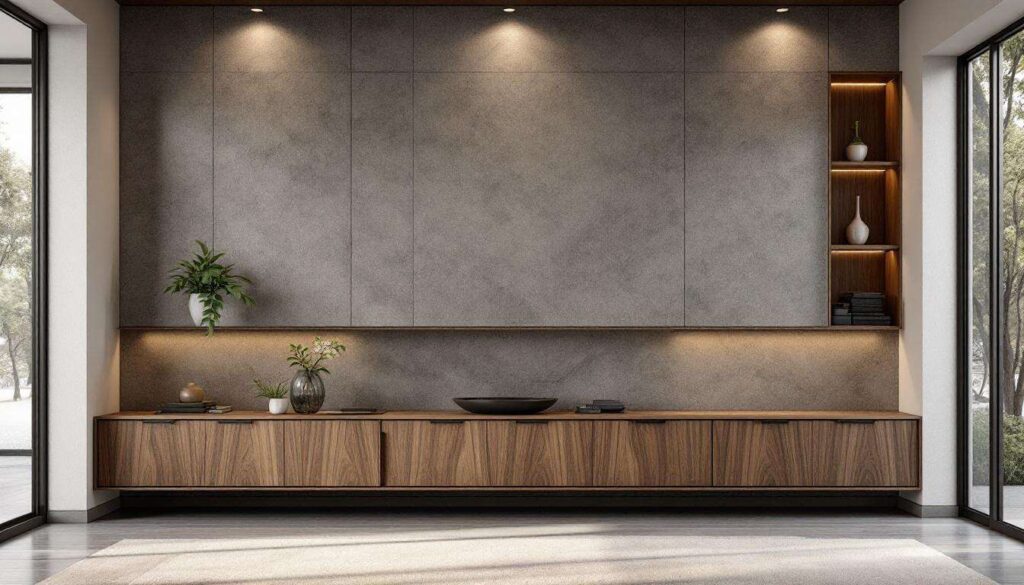
When property developers and interior specialists discuss what transforms an ordinary dwelling into something truly distinctive, one element consistently rises to the top of the conversation. Contractors with decades of experience renovating homes across various price points agree that architectural detailing serves as the defining characteristic separating mass-market properties from bespoke residences. This single consideration encompasses multiple design decisions, yet certain specific touches deliver disproportionate visual impact relative to their cost. Understanding which details matter most allows homeowners to achieve a custom aesthetic without undertaking complete structural overhauls.
Key architectural detail for a customised style
The most frequently cited renovation detail that instantly elevates a home’s appearance is crown moulding and architectural trim work. Professional contractors consistently identify this feature as the quickest route to achieving a high-end, customised look. Unlike cosmetic updates such as paint colours or fixtures, properly executed trim work fundamentally alters how spaces are perceived.
Why trim work creates immediate impact
Architectural mouldings achieve several objectives simultaneously. They draw the eye upward, creating an impression of greater ceiling height whilst adding visual interest to otherwise plain wall-ceiling junctions. Quality trim work suggests attention to detail throughout the property, influencing visitors’ perceptions before they notice other features.
Contractors emphasise that the effectiveness of this detail depends entirely on execution. Poorly installed mouldings with visible gaps or misaligned corners produce the opposite effect, highlighting amateur workmanship rather than craftsmanship. Professional installation requires precise measurement, proper joinery techniques, and meticulous finishing.
Selecting appropriate profiles
The choice of moulding profile significantly affects the overall aesthetic. Consider these factors when selecting trim:
- Ceiling height determines appropriate scale
- Architectural period of the property guides style selection
- Existing architectural features should inform design consistency
- Room function influences complexity of detailing
Period properties benefit from historically appropriate profiles, whilst contemporary homes often suit simpler, cleaner lines. The key lies in proportional harmony rather than elaborate ornamentation for its own sake.
Beyond crown moulding, contractors recommend extending this attention to skirting boards, door casings, and window surrounds. Consistency across these elements creates a cohesive architectural language throughout the home, reinforcing the custom appearance.
The visual impact of plaster mouldings
Whilst timber remains the traditional choice for architectural trim, decorative plasterwork offers distinctive advantages for creating truly custom interiors. Skilled plasterers can execute designs impossible to achieve with standard timber profiles, from intricate ceiling roses to elaborate cornicing.
Traditional craftsmanship meets modern techniques
Contemporary plaster moulding combines time-honoured techniques with modern materials. Fibrous plaster and lightweight composites allow for more ambitious designs whilst reducing installation complexity. These materials enable customisation that would be prohibitively expensive using traditional methods alone.
| Moulding Type | Installation Time | Customisation Potential | Relative Cost |
|---|---|---|---|
| Standard timber | 1-2 days | Limited | £ |
| Bespoke timber | 3-5 days | Moderate | ££ |
| Plaster mouldings | 2-4 days | High | £££ |
| Custom plasterwork | 5-10 days | Unlimited | ££££ |
Decorative plasterwork particularly suits reception rooms, dining spaces, and principal bedrooms where visual impact justifies the additional investment. Even modest applications, such as a well-executed ceiling rose or decorative archway, substantially elevate perceived quality.
Material selection naturally connects to broader considerations about surface treatments and finishes throughout the property.
Integration of premium materials
Contractors emphasise that material quality communicates custom craftsmanship more effectively than elaborate design alone. Strategic deployment of premium materials in high-visibility locations creates lasting impressions without requiring their use throughout entire spaces.
Strategic material placement
Professional renovators recommend concentrating premium materials where they receive maximum attention. Kitchen splashbacks, bathroom feature walls, and entrance flooring represent high-impact locations where quality materials justify their cost through daily visual engagement.
Natural stone, solid timber, and handcrafted tiles possess inherent variation that mass-produced alternatives cannot replicate. This uniqueness reinforces the custom nature of the renovation, as no two installations appear identical.
Balancing budget with impact
Strategic material selection allows homeowners to achieve custom aesthetics within realistic budgets:
- Feature walls using premium materials with standard finishes elsewhere
- High-quality materials in small quantities for maximum visual impact
- Mixing price points whilst maintaining consistent aesthetic language
- Investing in craftsmanship for installation rather than purely material cost
Contractors note that installation quality often matters more than material expense. Perfectly executed standard materials outperform poorly installed premium alternatives every time.
How these materials interact with spatial configuration further influences the custom appearance of renovated properties.
Customisation of open spaces
Modern renovation trends favour open-plan configurations, yet contractors warn that simply removing walls rarely produces the refined result homeowners envision. True customisation requires thoughtful spatial definition within open areas.
Creating zones without walls
Professional designers employ various techniques to delineate functional zones whilst maintaining visual flow. Changes in ceiling height, flooring materials, or lighting design subtly signal transitions between areas without physical barriers. These architectural gestures demonstrate considered design rather than straightforward wall removal.
Structural elements such as posts, beams, or partial-height partitions can define spaces whilst preserving openness. When these elements receive the same detailed finishing as other architectural features, they contribute to the overall custom aesthetic rather than appearing as afterthoughts.
Spatial customisation extends naturally into how these areas are illuminated and experienced at different times of day.
The importance of bespoke lighting
Contractors identify lighting design as frequently overlooked yet critically important for achieving custom interiors. Standard builder-grade lighting arrangements rarely do justice to carefully executed architectural details and premium finishes.
Layered lighting approaches
Professional lighting design incorporates multiple sources serving different functions. Ambient lighting provides general illumination, task lighting supports specific activities, and accent lighting highlights architectural features or artwork. This layered approach creates depth and visual interest impossible with single-source lighting.
Custom homes benefit from lighting that adapts to different requirements throughout the day. Dimming controls, multiple switching arrangements, and varied colour temperatures allow spaces to transform from energising morning environments to relaxing evening retreats.
Highlighting architectural investment
Well-designed lighting ensures that architectural details receive proper emphasis:
- Uplighting showcases crown moulding and decorative ceilings
- Feature lighting draws attention to premium materials
- Accent lighting creates focal points in open-plan spaces
- Natural light integration through strategic window placement
The relationship between lighting and architectural detail becomes particularly evident when examining how surfaces are finished and presented.
The crucial role of meticulous finishes
Ultimately, contractors agree that finishing quality determines whether architectural details achieve their intended impact. Even the most elaborate mouldings or premium materials fail to impress when finishing work appears rushed or careless.
Where finishing matters most
Certain areas demand particular attention to finishing details. Joints between different materials, transitions between surfaces, and termination points for architectural elements all require careful execution. These junctions reveal craftsmanship levels more clearly than expansive uninterrupted surfaces.
Paint quality and application technique significantly affect how architectural details read visually. Professional decorators understand that proper surface preparation, appropriate primer selection, and sufficient coats transform acceptable work into exceptional results.
Investment in skilled labour
Contractors emphasise that achieving custom-quality finishes requires experienced tradespeople. Whilst material costs remain relatively consistent across skill levels, labour quality varies enormously. Homeowners achieve better value investing in skilled contractors using mid-range materials than employing inexperienced workers with premium products.
Professional finishing extends project timelines but delivers results that justify the patience required. Rushed work invariably shows, undermining the custom aesthetic regardless of underlying design quality.
Transforming standard properties into custom homes requires strategic focus on specific high-impact details. Architectural trim work, particularly crown moulding and decorative plasterwork, delivers immediate visual elevation whilst signalling quality throughout the property. Premium materials deployed strategically, thoughtful spatial configuration, layered lighting design, and meticulous finishing collectively create the bespoke appearance homeowners desire. Contractors consistently emphasise that execution quality matters more than elaborate design, with skilled craftsmanship transforming modest interventions into distinctive architectural statements. These principles allow renovation projects at various budget levels to achieve genuinely custom results through informed prioritisation rather than unlimited expenditure.