



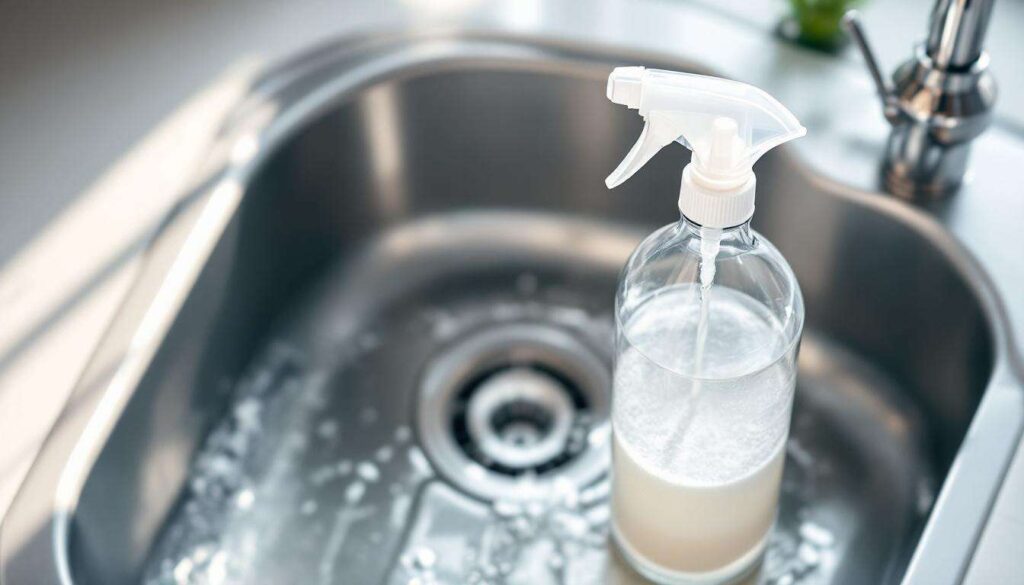
Blocked drains plague households across the country, creating unpleasant odours and slow water flow that disrupt daily routines. Rather than reaching for harsh chemical cleaners that damage pipes and harm the environment, many homeowners now turn to simple household ingredients. A combination of soap and vinegar offers a surprisingly effective solution, harnessing natural chemical reactions to dissolve the greasy buildup and organic matter responsible for most domestic drain blockages.
Understanding clogs in drains
Common causes of drain blockages
Drains become obstructed through a gradual accumulation of various materials that bind together over time. Hair stands as the primary culprit in bathroom drains, intertwining with soap residue to form stubborn masses. Kitchen sinks face different challenges, with cooking fats, oils and food particles coating pipe interiors and narrowing water passages. These substances cool and solidify within the plumbing system, creating layers that trap additional debris.
- Hair and soap scum in bathroom basins and showers
- Grease and cooking oils in kitchen sinks
- Food particles and coffee grounds
- Mineral deposits from hard water
- Soap residue and toiletry products
How blockages develop over time
The formation of drain clogs follows a predictable pattern. Initially, small amounts of debris adhere to pipe walls, particularly at bends and joints where water flow slows. This initial layer acts as a foundation, attracting more material with each use. Soap scum proves especially problematic because its sticky nature binds disparate materials together, transforming loose particles into solid obstructions. Hard water compounds the issue by depositing minerals that further narrow pipe diameter and provide additional surface area for debris accumulation.
Recognising these patterns helps explain why natural cleaning methods work effectively, particularly those targeting the fatty and organic compounds that form the bulk of household drain blockages.
The benefits of soap and vinegar
The science behind the solution
The combination of soap and vinegar creates a powerful cleaning reaction through basic chemistry. Vinegar contains acetic acid, which breaks down mineral deposits and dissolves organic matter. When mixed with soap, particularly liquid dish soap, the solution gains surfactant properties that lift grease and oil from surfaces. The mild acidity of vinegar (typically pH 2.5) proves strong enough to dissolve buildup without corroding metal pipes or damaging plastic components.
| Component | Primary function | Target material |
|---|---|---|
| White vinegar | Dissolves minerals and organic matter | Limescale, soap scum, biofilm |
| Liquid soap | Breaks down fats and oils | Grease, cooking oils, body oils |
| Hot water | Activates cleaning agents | All organic materials |
Advantages over chemical drain cleaners
Natural drain solutions present numerous advantages compared to commercial chemical products. They pose no risk to children or pets, emit no toxic fumes, and cost significantly less than branded alternatives. Chemical drain cleaners often contain sodium hydroxide or sulphuric acid at concentrations that can damage older pipes, particularly those made from galvanised steel or brass. The soap-and-vinegar method works gently yet effectively, making it suitable for regular maintenance without risking plumbing infrastructure.
Environmental considerations also favour natural solutions, as they break down harmlessly in water treatment systems rather than introducing harsh chemicals into waterways.
Preparing your natural drain-unclogging spray
Ingredients and equipment needed
Creating an effective drain-cleaning spray requires only basic household items. White distilled vinegar works best due to its consistent acidity level, though malt vinegar serves as an acceptable substitute. Choose a liquid dish soap known for grease-cutting properties rather than moisturising hand soaps. A spray bottle with a capacity of at least 500ml allows for convenient application and storage of the mixture.
- 250ml white distilled vinegar
- 2 tablespoons liquid dish soap
- 250ml hot water (not boiling)
- Spray bottle with secure lid
- Funnel for easy pouring
Mixing the solution properly
The order of mixing matters for optimal effectiveness. Begin by pouring the vinegar into your spray bottle using a funnel to avoid spills. Add the liquid soap carefully to prevent excessive foaming, which can make the mixture difficult to spray. Finally, top up with hot water from the tap, ensuring the temperature remains comfortable to touch but warm enough to activate the cleaning properties. Gently swirl the bottle to combine ingredients without creating excessive bubbles. The solution remains effective for approximately two weeks when stored at room temperature.
With your cleaning spray prepared, the focus shifts to application techniques that maximise its effectiveness against stubborn drain blockages.
Instructions for effective use
Step-by-step application process
Begin by removing any visible debris from the drain opening, including hair or food particles that can be extracted manually. Spray the solution generously around the drain opening and down into the visible pipe, ensuring thorough coverage. Allow the mixture to sit for 15 to 20 minutes, giving the acids and surfactants time to break down accumulated buildup. During this waiting period, boil a kettle of water.
After the treatment time elapses, flush the drain with the hot water in a steady stream. The heat further dissolves loosened materials whilst the water pressure carries debris through the system. For particularly stubborn clogs, repeat the process, extending the waiting time to 30 minutes on subsequent applications.
Frequency and maintenance schedule
Regular application prevents severe blockages from forming. Apply the soap-and-vinegar spray weekly to high-use drains such as kitchen sinks and shower drains. Bathroom basin drains benefit from fortnightly treatments, whilst less frequently used drains require only monthly maintenance. Consistency proves more effective than intensive occasional cleaning, as regular treatments prevent the accumulation of stubborn deposits that require aggressive intervention.
Beyond reactive cleaning, adopting preventative measures ensures drains remain clear and functional throughout the year.
Tips to prevent future obstructions
Daily habits that protect drains
Simple behavioural changes dramatically reduce drain blockage frequency. Install mesh screens or drain covers in all sinks and showers to catch hair and large particles before they enter the plumbing system. Never pour cooking oils or fats down kitchen sinks, regardless of whether hot water accompanies them. Instead, allow grease to cool in a container and dispose of it with household waste. Scrape plates thoroughly before washing dishes, ensuring food particles reach the bin rather than the drain.
- Use drain screens in all basins and showers
- Dispose of cooking fats in the bin, not the sink
- Brush hair before showering to reduce shedding
- Run hot water for 30 seconds after each use
- Clean drain covers weekly
Monthly maintenance routines
Establishing a regular maintenance schedule prevents minor issues from escalating into serious blockages. Once monthly, remove and clean all drain covers and stoppers, eliminating accumulated hair and soap residue. Pour a kettle of boiling water down each drain to melt any grease beginning to accumulate. Consider alternating between the soap-and-vinegar spray and a baking soda flush, as different methods target various types of buildup. These proactive measures, combined with mindful daily habits, keep drainage systems flowing freely whilst extending the lifespan of household plumbing.
The soap-and-vinegar spray method demonstrates that effective drain maintenance need not involve harsh chemicals or expensive products. By understanding how blockages form and applying natural solutions regularly, households can maintain clear drains whilst protecting both their plumbing infrastructure and the environment. The combination of acetic acid and surfactants provides sufficient cleaning power for most domestic situations, making this approach both practical and sustainable. Regular application, coupled with sensible preventative measures, ensures drainage systems remain functional and odour-free, proving that sometimes the simplest solutions work best for common household challenges.