



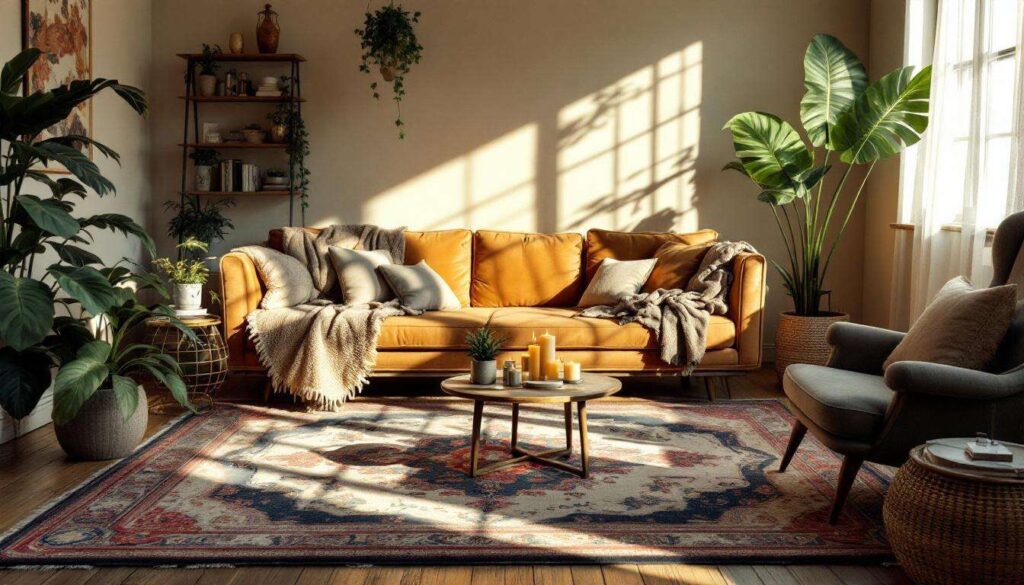
Our homes are supposed to be sanctuaries where we feel safe and protected from external threats. Yet many decorative items and furnishings we carefully select to beautify our living spaces harbour hidden dangers that can compromise our health. From seemingly innocent houseplants to stylish textiles and ambient lighting, numerous everyday objects release toxic substances into the air we breathe. Understanding these risks allows us to make informed choices about what we bring into our homes and how we can create healthier environments for ourselves and our families.
Toxic plants: a little-known danger
Common houseplants with poisonous properties
Many popular decorative plants contain toxic compounds that pose serious risks to both humans and pets. Dieffenbachia, commonly known as dumb cane, contains calcium oxalate crystals that can cause severe oral irritation, difficulty swallowing, and temporary speech loss if ingested. Philodendrons, beloved for their lush foliage, harbour similar toxins that trigger burning sensations in the mouth and throat.
Other dangerous specimens include:
- Peace lilies, which cause digestive distress and respiratory problems
- Pothos plants, producing mouth swelling and vomiting when consumed
- Oleander, one of the most poisonous plants, affecting the heart
- Sago palms, containing cycasin that damages the liver
- Caladiums, releasing toxins that irritate skin and mucous membranes
Symptoms and preventive measures
Exposure to toxic plants manifests through various symptoms depending on the species and level of contact. Skin reactions include rashes, blisters, and dermatitis, whilst ingestion typically causes nausea, vomiting, diarrhoea, and abdominal pain. More severe cases result in difficulty breathing, irregular heartbeat, or neurological symptoms.
To minimise risks, position dangerous plants out of reach of children and animals, wear gloves when handling them, and research each species before purchase. Consider replacing toxic varieties with safer alternatives such as spider plants, Boston ferns, or African violets that provide aesthetic appeal without the health hazards.
Beyond living plants, the furniture we use daily can present equally concerning health risks through chemical treatments applied during manufacturing.
Treated wooden furniture: a threat to health
Formaldehyde and other preservatives
Formaldehyde remains one of the most prevalent chemicals in wooden furniture, particularly in pressed wood products like particleboard, plywood, and medium-density fibreboard. This colourless gas, used as an adhesive and preservative, slowly releases into indoor air through a process called off-gassing. Prolonged exposure causes eye irritation, respiratory problems, headaches, and has been classified as a human carcinogen by the International Agency for Research on Cancer.
Other concerning wood treatments include pentachlorophenol, chromated copper arsenate, and various fungicides that prevent decay but introduce toxic residues into living spaces.
Identifying and choosing safer options
When selecting wooden furniture, examine labels for certifications such as CARB (California Air Resources Board) Phase 2 compliance or E1 emission standards, which indicate lower formaldehyde levels. Solid wood furniture generally poses fewer risks than composite materials, though finishes and stains may still contain harmful substances.
| Furniture type | Risk level | Safer alternative |
|---|---|---|
| Particleboard | High | Solid hardwood |
| MDF with standard resin | Medium-high | CARB-certified MDF |
| Plywood (conventional) | Medium | Formaldehyde-free plywood |
| Reclaimed wood | Low | Already aged, minimal off-gassing |
Allow new furniture to off-gas in well-ventilated areas before bringing it indoors, and maintain good air circulation to reduce chemical concentrations. The walls surrounding these furnishings may also contribute to indoor pollution through the coatings applied to them.
Paints containing VOCs: risks and precautions
Understanding volatile organic compounds
Volatile organic compounds (VOCs) are carbon-based chemicals that evaporate at room temperature, releasing gases from paints, varnishes, and wall coatings. Traditional paints contain high concentrations of VOCs including toluene, xylene, ethyl acetate, and formaldehyde, which contribute to indoor air pollution long after application. These substances cause immediate symptoms such as dizziness, nausea, and respiratory irritation, whilst chronic exposure links to liver damage, kidney problems, and central nervous system disorders.
Health impacts and low-VOC alternatives
The concentration of VOCs in indoor air can be up to ten times higher than outdoor levels, particularly during and immediately after painting. Children, elderly individuals, and those with respiratory conditions face heightened vulnerability to these pollutants.
- Headaches and migraines triggered by chemical fumes
- Asthma attacks and breathing difficulties
- Eye, nose, and throat irritation
- Fatigue and coordination problems
- Long-term cognitive impairment with sustained exposure
Opt for paints labelled as low-VOC or zero-VOC, which contain fewer than 50 grams per litre of harmful compounds. Natural alternatives include milk paint, clay-based paints, and lime washes that provide beautiful finishes without toxic emissions. Ensure adequate ventilation during application and allow several days for complete drying before occupying freshly painted rooms. Floor coverings present another often-overlooked source of chemical exposure in decorated spaces.
Harmful rugs and carpets: beware of chemicals
Toxic treatments in textile floor coverings
Carpets and rugs undergo extensive chemical processing that leaves behind hazardous residues. Stain-resistant treatments typically contain perfluorinated compounds (PFCs), including PFOA and PFOS, which persist in the environment and accumulate in human tissue. Flame retardants, though intended for safety, introduce brominated chemicals linked to thyroid disruption and developmental problems. Synthetic backing materials release styrene and 4-phenylcyclohexene, producing the characteristic “new carpet smell” that signals chemical off-gassing.
Safer flooring choices for your home
Natural fibre options provide healthier alternatives to synthetic carpeting. Wool, jute, sisal, and cotton rugs contain minimal chemical treatments whilst offering durability and aesthetic appeal. When purchasing carpets, request products certified by Green Label Plus or similar programmes that verify low chemical emissions.
| Material | Chemical concerns | Health rating |
|---|---|---|
| Nylon carpet | VOCs, stain treatments | Poor |
| Polyester carpet | Antimony, flame retardants | Poor to fair |
| Wool (untreated) | Minimal if certified organic | Good to excellent |
| Natural jute/sisal | Very low | Excellent |
Vacuum regularly with HEPA filters to remove accumulated dust and chemical particles, and avoid carpet padding made from synthetic foam. The fabrics we drape over beds and furniture carry similar chemical burdens that deserve careful consideration.
Treated bedspreads and textiles: allergenic substances to banish
Chemical finishes on decorative fabrics
Decorative textiles including bedspreads, curtains, cushion covers, and upholstery fabrics contain numerous chemical treatments designed to enhance performance. Wrinkle-resistant finishes rely on formaldehyde-based resins that continuously release gases. Water-repellent coatings incorporate fluorochemicals, whilst antimicrobial treatments use triclosan and silver nanoparticles that disrupt hormonal balance. Fabric softeners and permanent press treatments add additional layers of synthetic chemicals that contact skin and disperse into household air.
Identifying and avoiding problematic textiles
Symptoms of textile chemical sensitivity include skin rashes, eczema flare-ups, respiratory irritation, and allergic reactions. Those with chemical sensitivities or compromised immune systems experience more severe responses to treated fabrics.
- Choose organic cotton, linen, or hemp textiles certified by GOTS or OEKO-TEX
- Wash new fabrics multiple times before use to reduce chemical residues
- Avoid items labelled as stain-resistant, antimicrobial, or wrinkle-free
- Select naturally coloured or plant-dyed fabrics over synthetic dyes
- Air out new textiles outdoors when possible before bringing them inside
Read care labels carefully, as items requiring dry cleaning often contain additional chemical treatments. Opt for untreated natural fibres that may require more maintenance but significantly reduce toxic exposure in sleeping and living areas. Even the ambient lighting we use to create mood and atmosphere can compromise indoor air quality in unexpected ways.
Scented candles: insidious pollutants in the home
Hidden dangers in fragrance and wax
Scented candles, whilst creating ambience, release a complex mixture of harmful pollutants when burned. Paraffin wax, derived from petroleum, produces toluene and benzene—known carcinogens—along with particulate matter that penetrates deep into lungs. Synthetic fragrances contain phthalates that disrupt endocrine function, whilst lead-core wicks, though banned in many countries, still appear in imported products. The combustion process generates formaldehyde, acetaldehyde, and acrolein, creating indoor pollution comparable to cigarette smoke in poorly ventilated spaces.
Healthier alternatives for home fragrance
Studies measuring air quality during candle burning show significant spikes in particulate matter and VOC concentrations. A single paraffin candle burned for three hours can elevate indoor pollution to levels exceeding recommended safety thresholds.
| Candle type | Pollutants released | Safety rating |
|---|---|---|
| Paraffin with synthetic fragrance | Benzene, toluene, phthalates | Poor |
| Soy with synthetic fragrance | Phthalates, some VOCs | Fair |
| Beeswax, unscented | Minimal emissions | Good |
| Soy/coconut with essential oils | Low VOCs | Good to excellent |
Replace conventional candles with those made from beeswax or soy scented with pure essential oils rather than synthetic fragrances. Ensure wicks are cotton or wood, and trim them regularly to reduce soot production. Better still, use essential oil diffusers, which provide fragrance without combustion byproducts, or simply open windows to naturally freshen indoor air.
Creating a beautiful home needn’t compromise health and wellbeing. By recognising the hidden dangers lurking in common decorative objects—from toxic houseplants and chemically treated furniture to VOC-laden paints, synthetic carpets, processed textiles, and polluting candles—we can make informed purchasing decisions that protect our families. Prioritising natural materials, seeking low-emission certifications, ensuring proper ventilation, and choosing untreated alternatives transforms living spaces into genuinely safe havens. Small changes in how we select and maintain decorative items yield significant improvements in indoor air quality and long-term health outcomes, proving that style and safety can coexist harmoniously.